Polycystic ovaries (PCOS)
by Margaux Abelita
Text
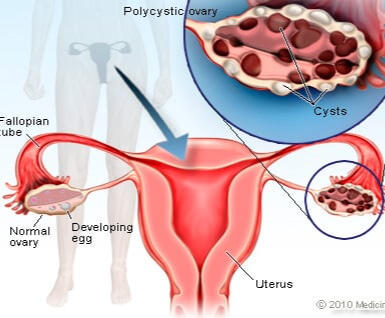
To put it into perspective, in a a regular menstrual cycle, ovulation occurs once a month, in which the ovaries release ovum (an egg) into the uterus (the womb). However, women with PCOS ovulate irregularly or do not even ovulate at all, meaning that they have infrequent or absent periods thus making it difficult for them to conceive
Polycystic ovaries, or PCOS, is a condition that affects how a woman’s ovaries operate. It specifically makes the ovaries produce abnormal amounts of male sex hormones, also known as androgens. Its name describes the cysts – or the fluid-filled sacs – that form in the ovaries; though not all individuals with PCOS experience this.
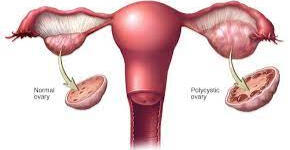
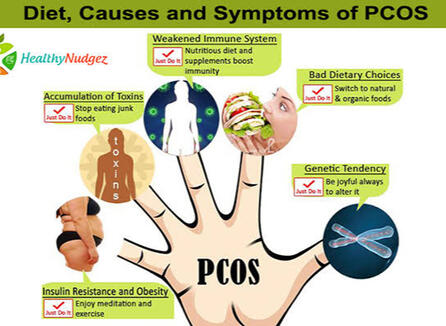
There is no exact cause for PCOS, but it is strongly related to abnormal hormone levels
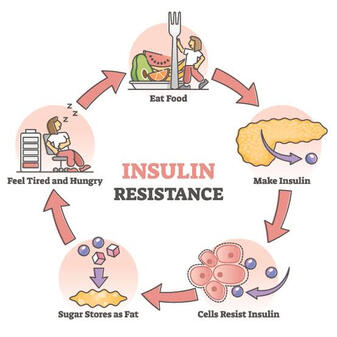
Insulin is a hormone produced by the pancreas that controls the amount of sugar in the blood and helps glucose move to cells where it is broken down and produces energy. With this definition, insulin resistance means that the ovaries produce too much testosterone. Normal ovulation is prevented as it interferes with follicle development (sacs in the ovaries wherein the eggs develop). This also leads to weight gain which worsens the condition as excess body fat makes the body produce more insulin
Text
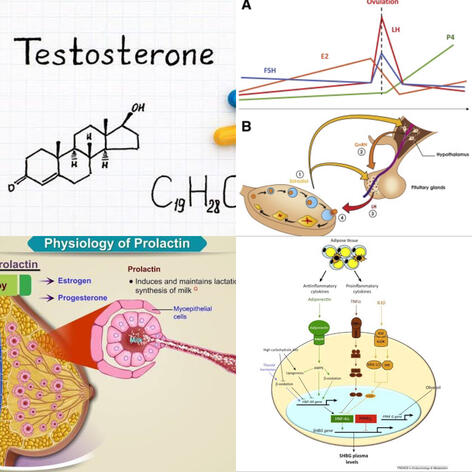
There is no concrete reason as to why these changes occur, though it is suggested that the ovaries, glands, or the part of the brain themselves is where the problems initially occur. Individuals who have PCOS usually have hormone imbalances in the following:
| Raised levels of: | Low levels of: |
|---|---|
| Testosterone (“male hormone” that is not produced as much in women) | Sex hormone-binding globulin (SHBG, a protein found in the blood that binds with testostorone to reduce its effect) |
| Luteinizing hormone (LH, stimulates ovulation but high levels will abnormally affect the ovaries), | |
| Prolactin (not all women with PCOS experience this, but it is a hormone that allows the breast glands to produce milk during pregnancies) |
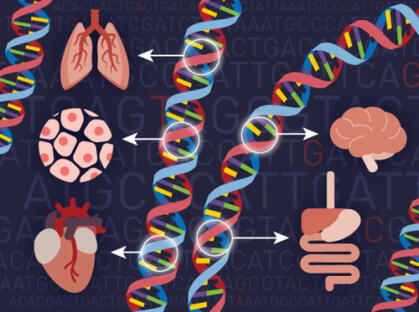
Though specific genes associated with the condition have not been identified, it has been found that PCOS is hereditary and can be passed down from generation to generation. If you have a family history of this condition, then you are more likely to develop it.
Text
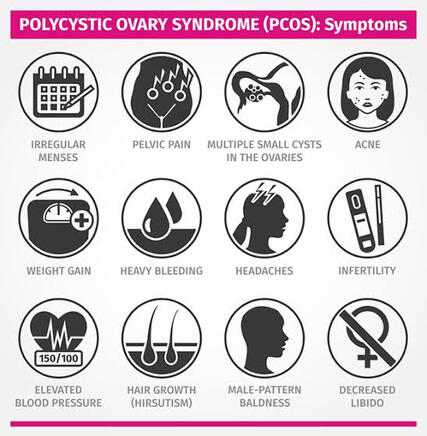
Individuals with PCOS have a higher risk of developing type 2 diabetes, depression/mood swings, high blood pressure/cholesterol, sleep apnoea, endometrial cancer (cancer of the womb lining)
Symptoms usually become more apparent around late teens to early 20s. These include:
Irregular periods or no periods at all
Difficulty conceiving (due to irregular ovulation or no ovulation at all)
Excessive hair growth (hirsutism) on the face, chest, back, or butt
Weight gain
Thinning hair or hair loss
Oily skin
Acne
Fertility problems
and many more
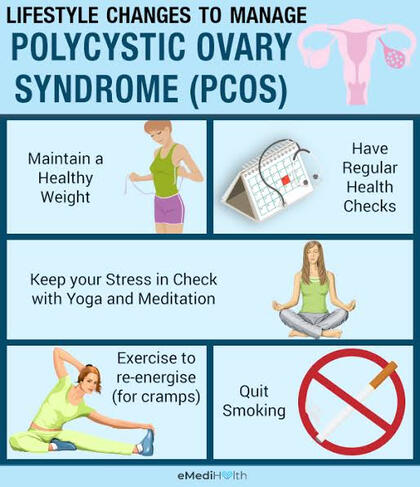
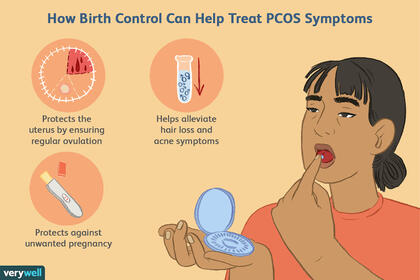
There aren't exactly any ways to ultimately prevent from getting PCOS, however there are ways to maintain a healthy lifestyle. Losing excess weight through exercising, having a healthy and balanced diet, and avoiding smoking, or any other dangerous recreational activity of that nature helps ovulation increase as it alleviates the stress in the ovaries. Contraceptives such as Intrauterine system (IUS), progestogen tablets, and the like induces regular periods and reduces the risk of developing endometrial cancer. Psychological counseling may also help if the individual feels stressed or depressed as it is an effect of PCOS.